

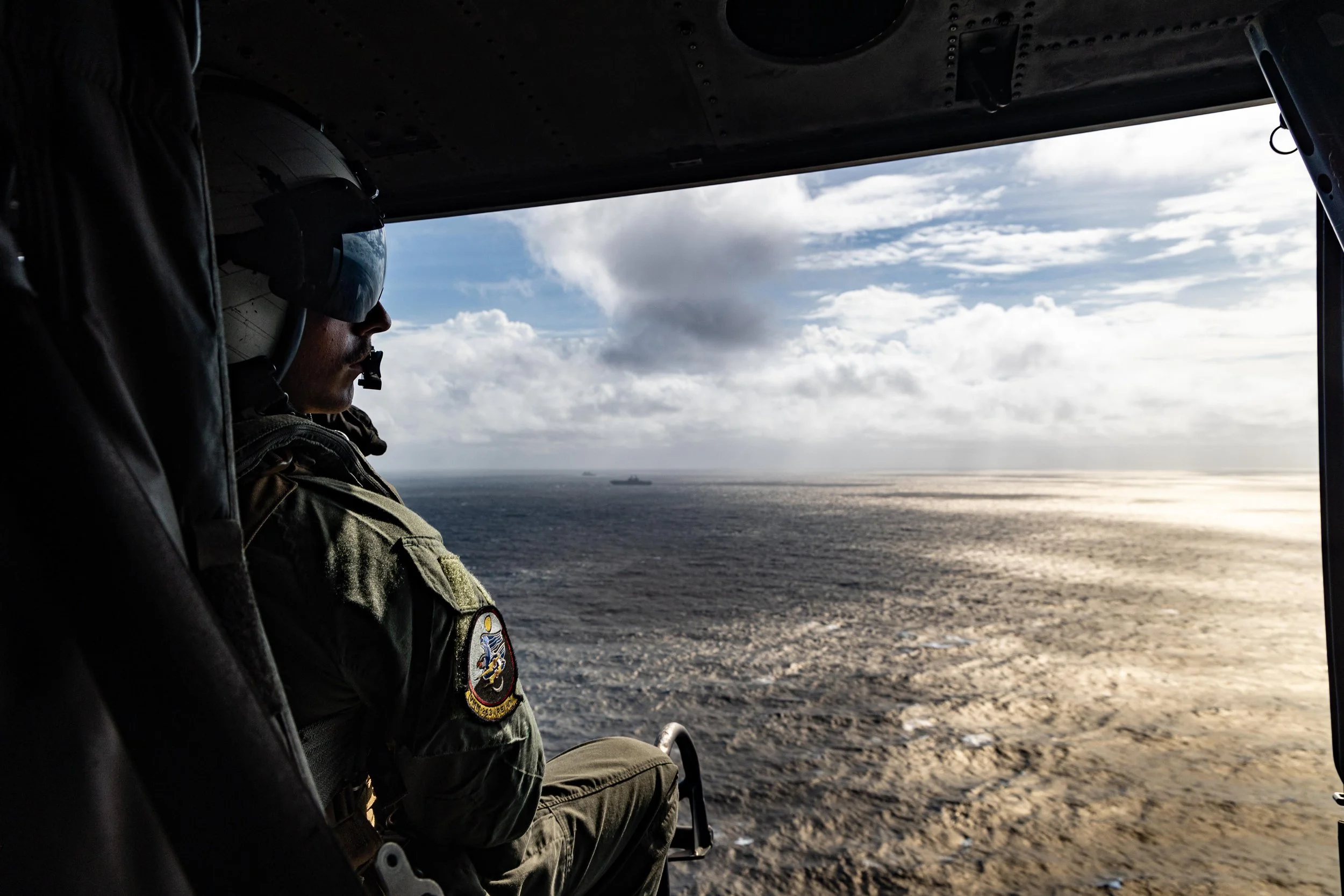
The Injury You Can’t See Shouldn’t Be the One That Steals Your Life
Uniting science. service. community to accelerate early detection, and support for Veterans and service members living with undiagnosed head injury.
Many Veterans carry impact long after the mission ends, head hits, blast exposure, training collisions, “it was nothing” moments. Years later, the symptoms show up… and most people never connect the dots.
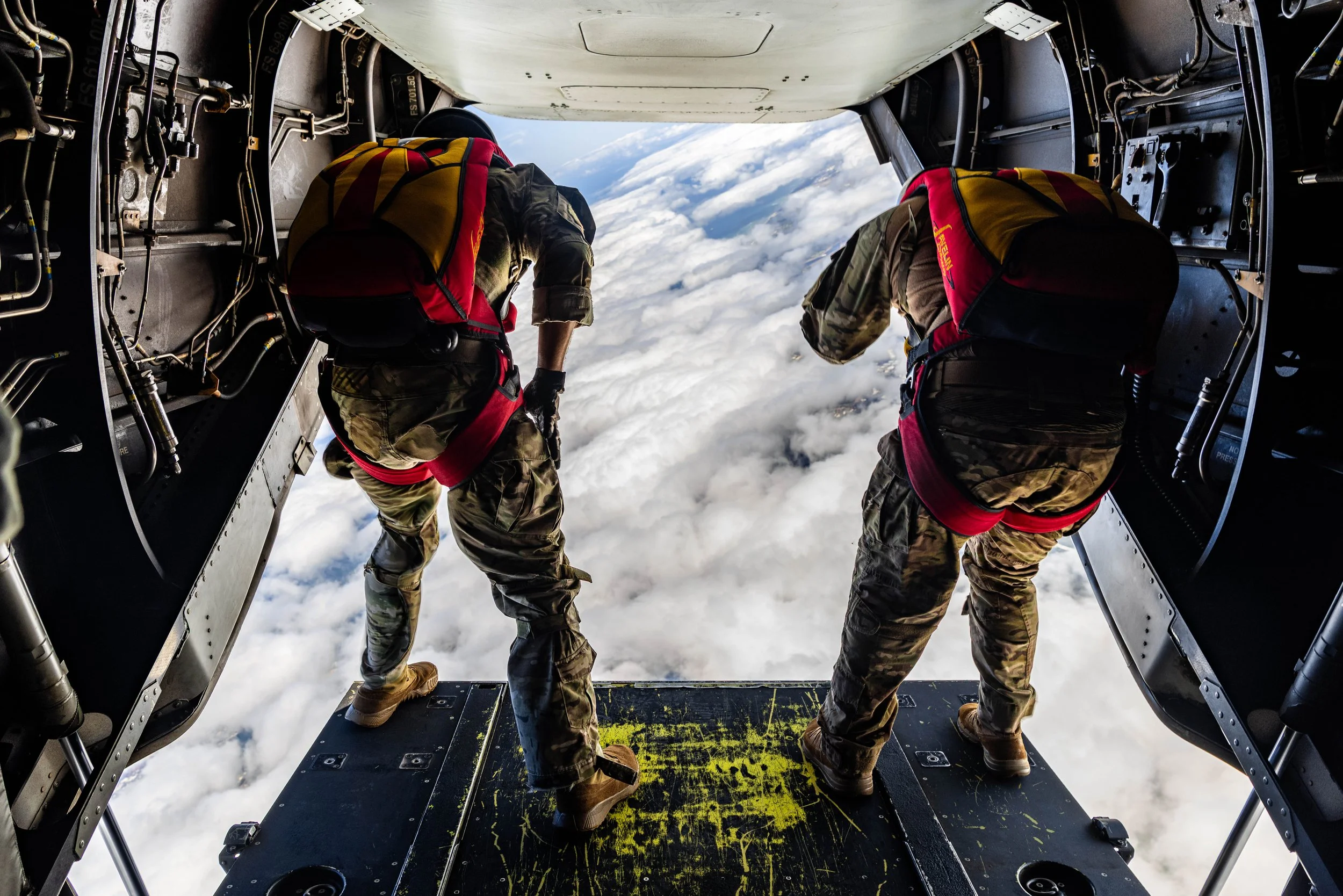
The Most Dangerous Injuries Are the Ones That Go Undetected
Head injury doesn’t always look like a dramatic moment. Sometimes it’s cumulative millions of head impacts during military service, stacking over time.
The challenge is brutal and clear:
1 in 3 Post-9/11 Veterans experienced TBI
Most head injuries go undetected for years
56% higher suicide risk for Veterans with TBI
36+ symptoms can surface years after impact/exposure
So Veterans do what they’ve always done: push through. Adapt. Perform.
Until “pushing through” becomes a crisis.
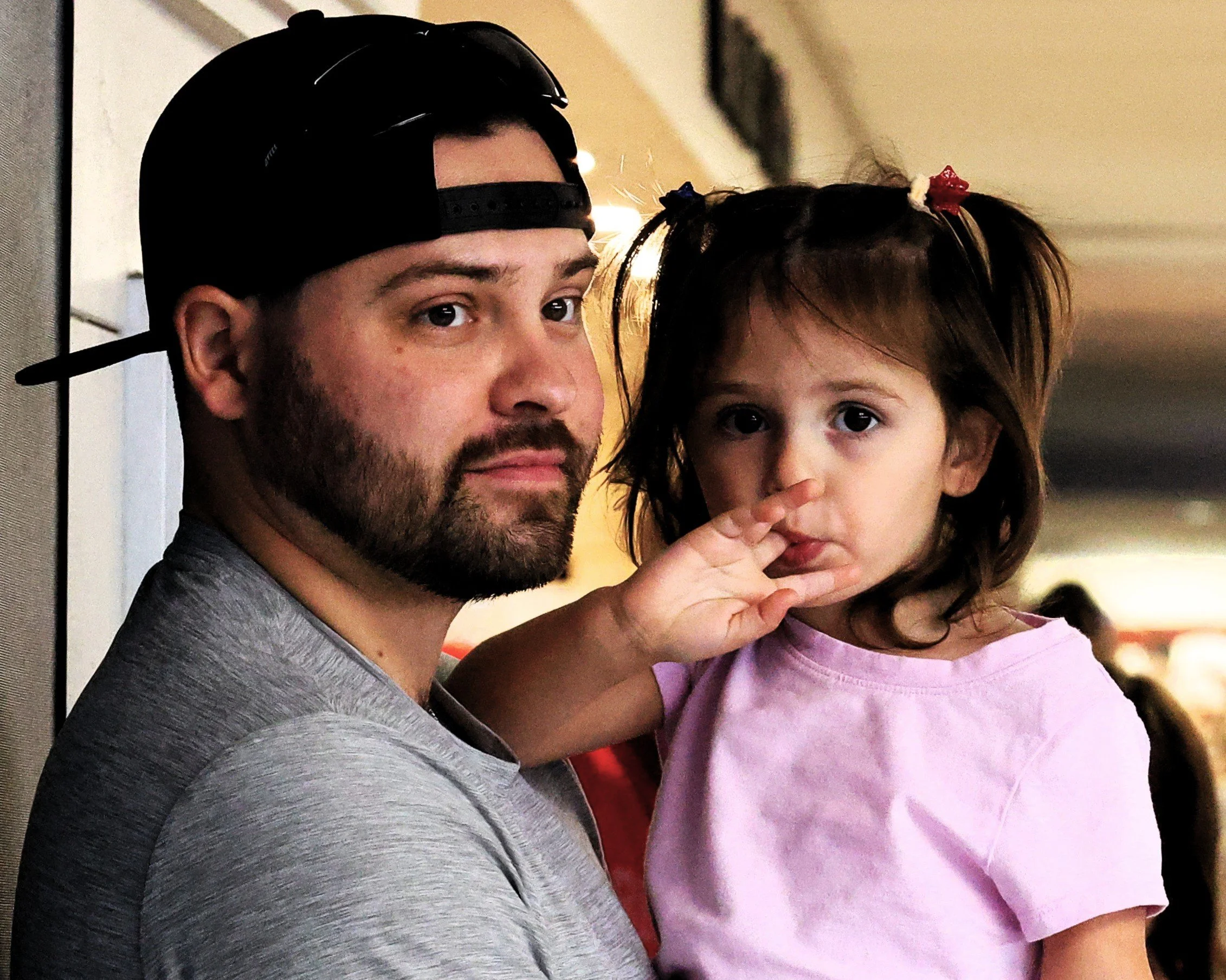
Because the First Place Veterans Turn Isn’t a System. It’s a Person
Brain health is finally being recognized as critical to long-term well-being and readiness… yet many Veterans still never receive early screening or real awareness of what head injury can look like.
And the care pathways? They’re complicated.
Here’s what we’ve learned:
Most Veterans don’t start with a specialist. They start with what they trust local community organizations and direct service groups.
But those community entry points are often under-resourced:
85% of Veterans are served within a 20-mile radius
76% of direct service orgs gross under $100K annually
That means the front lines of access exist… but they’re not always equipped with the tools, education, and referral pathways to catch brain health issues early.
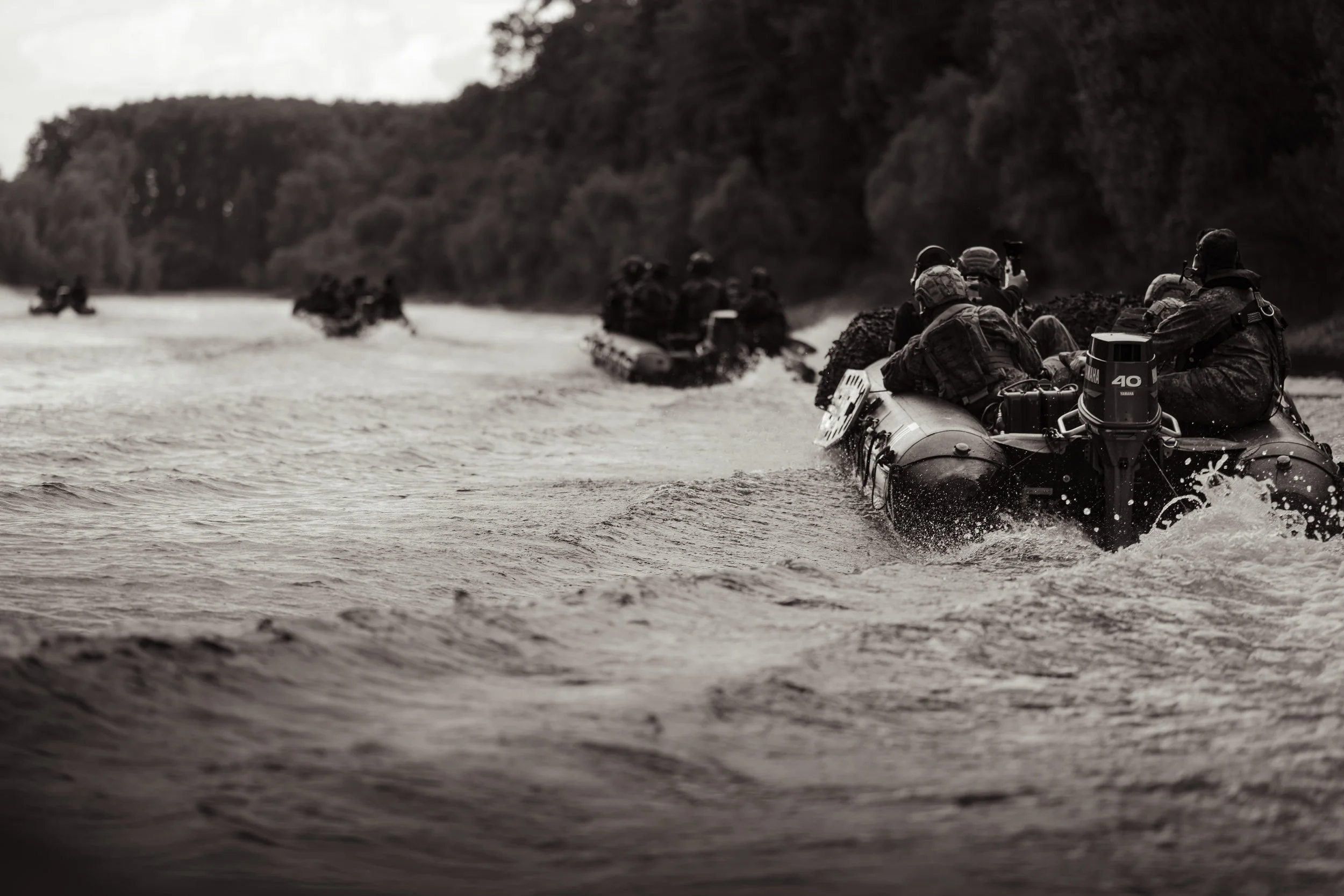
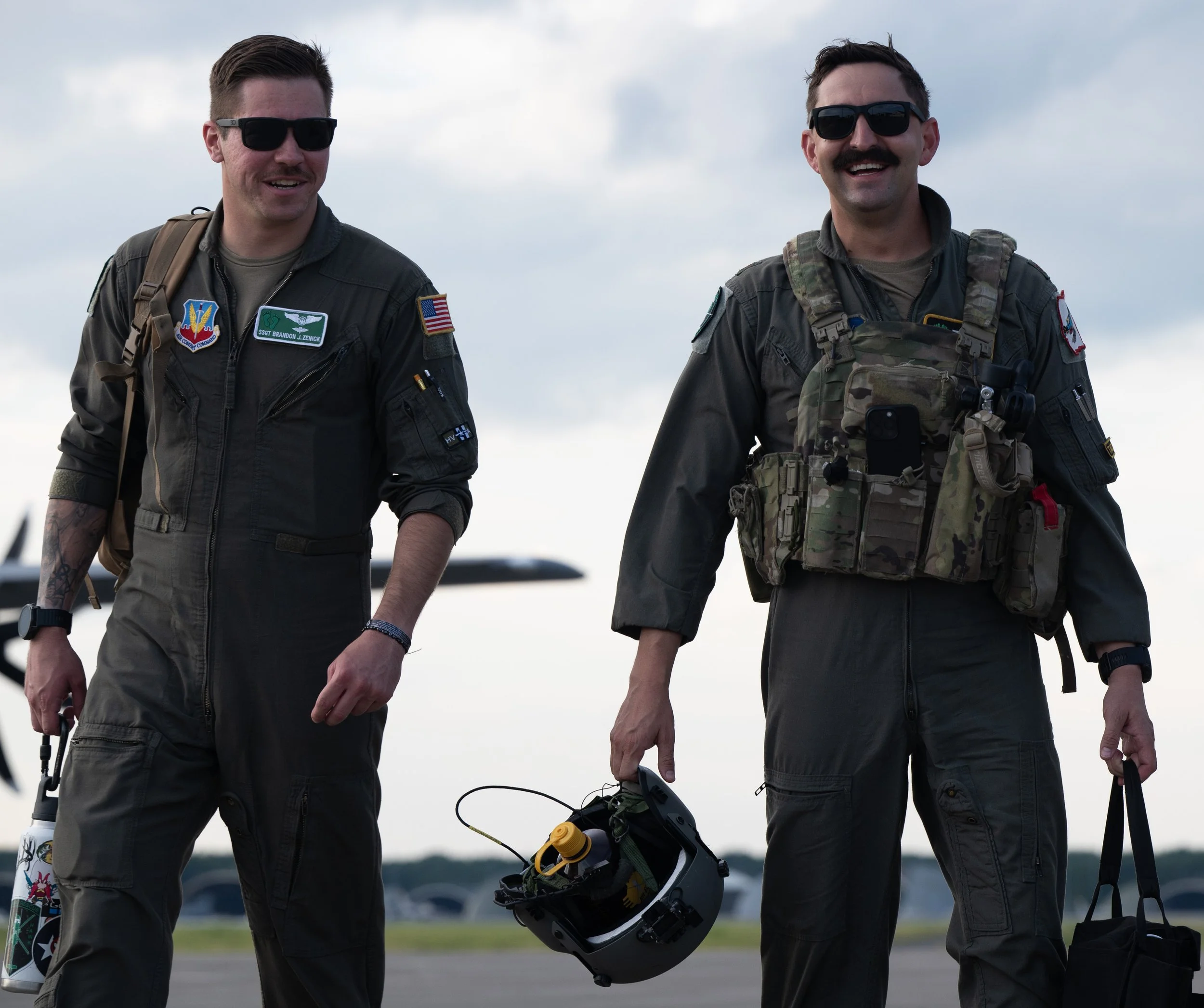
Community is the missing link in early brain health detection.
Community is the missing link in early brain health detection.


HEADS UP VET™ is a national coalition convened by Veterans Collaborative, in partnership with Bonterra and AWS, built to improve awareness, screening, and community support for Veterans and families living with undiagnosed head injury.
We’re building a “Veteran Passport to Connected Resources” through four focus areas:
1) Awareness & Education, so that veterans, families, and providers recognize what a head injury can look like, early.
2) Early Self-Recognition Tools Accessible tools that help Veterans identify symptoms and better understand brain health without shame or guesswork.
3) Resource Navigation Connecting Veterans and families to trusted local organizations and services that can actually help.
4) Research Collaboration Partnerships that advance understanding, prevention, and treatment, so what we learn becomes what we do.
And we don’t build this alone. The HEADS UP VET™ model connects:
community organizations, technology & referrals, clinical & innovation partners, and funders/philanthropy because this problem requires a whole-network response.
Because We Know How to Build Community-Based Access That Works
Veterans Collaborative™ exists to strengthen accessibility to vital support and opportunity through centralized networks so help is local, reachable, and trusted. HEADS UP VET™ is an extension of what we do best: building bridges between the people who need support and the ecosystems that can deliver it without making Veterans carry the burden of coordination.
We don’t just care about awareness. We care about the moment awareness becomes action in real communities.
Because Waiting Costs Lives and Time Is a Trigger
Head injuries don’t always announce themselves. They compound. They hide. They show up years later as symptoms that get mislabeled, misunderstood, or ignored.
If we can move detection and support upstream into the places Veterans already trust. We can reduce crises downstream.
This is the window where awareness is rising, research is advancing, and the community front line is ready, if we equip it.
Everyone Has a Role to Play
Whether you serve Veterans directly, support research, build technology, or fund solutions. There is a role for you in this work.
Join our monthly coalition sessions to:
share research and insights
strengthen community awareness
develop practical tools and resources
advance the HEADS UP VET™ pilot and national model